FREE SHIPPING on Order over ₱ 1,500 Secure Checkout | 100% Safe & Trusted

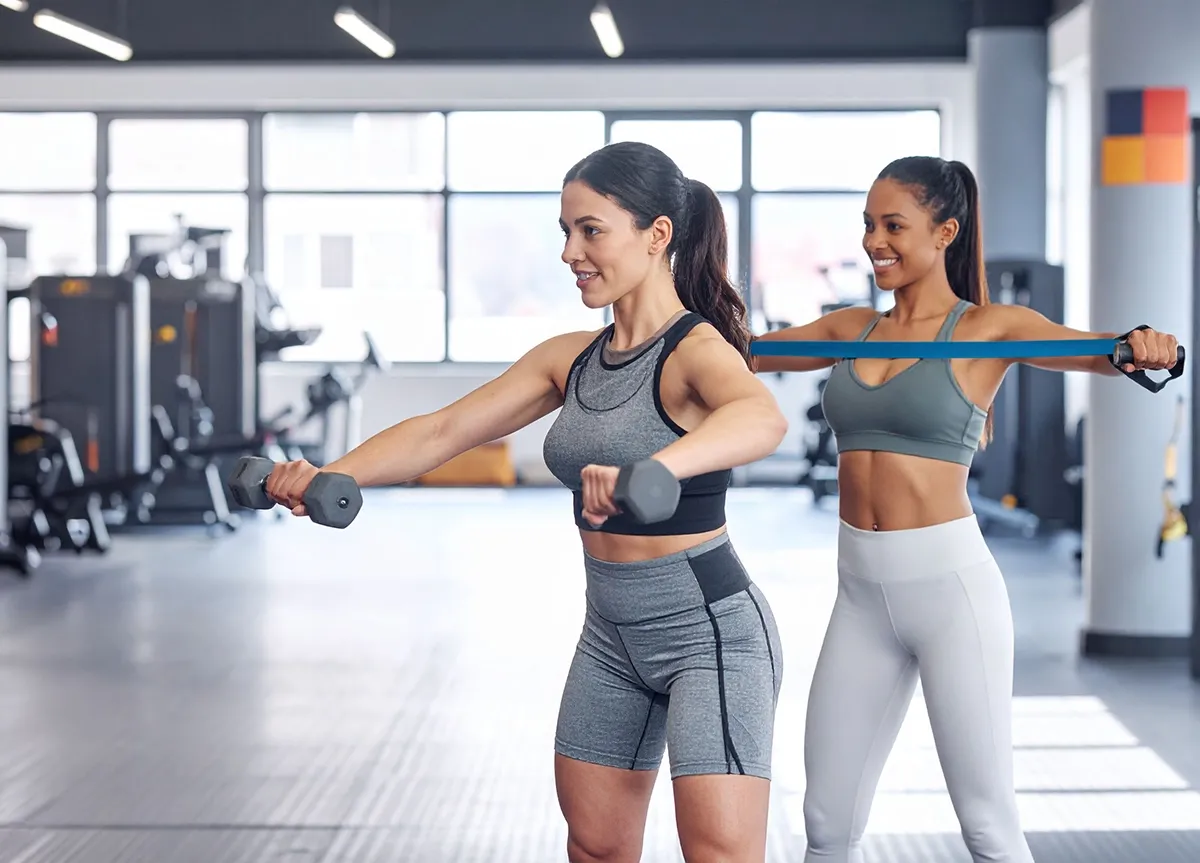
Dumbbells vs Resistance Bands: Which Is Better for Your Fitness Goals?

When building a home gym, one of the most common questions beginners ask is: should I choose dumbbells or resistance bands?
Understanding Dumbbells
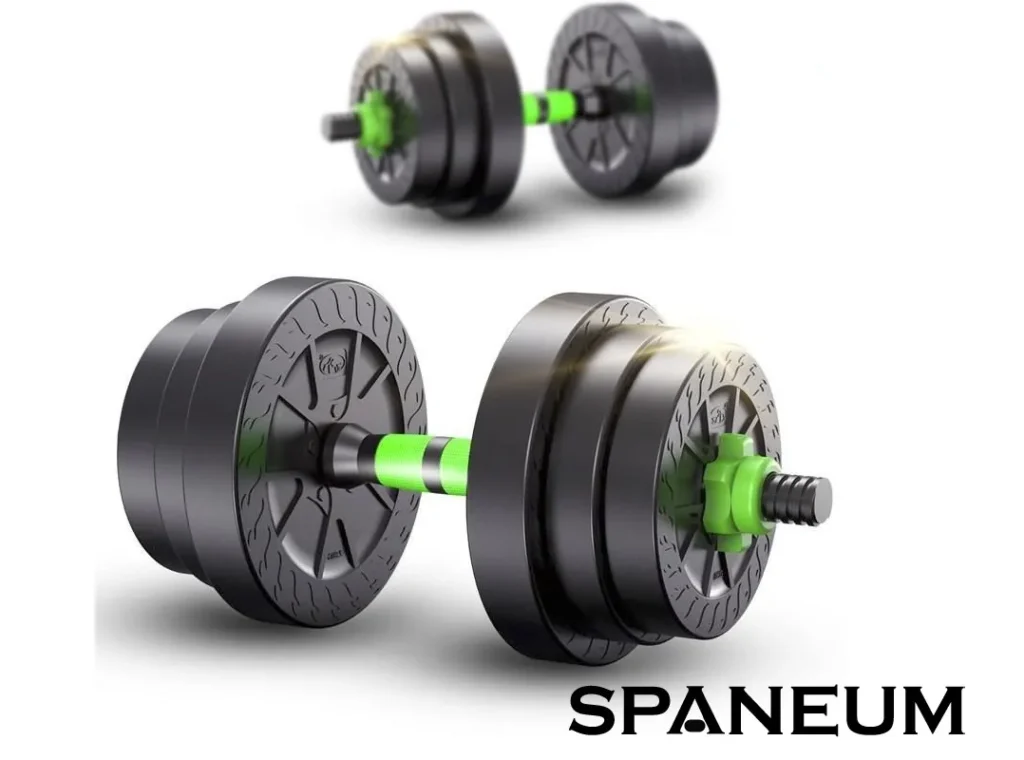
Dumbbells are one of the most popular pieces of strength training equipment used in gyms and home workout spaces worldwide…
- Squats
- Lunges
- Bicep Curls
- Shoulder Presses
- Chest Presses
- Deadlifts
- Rows
Understanding Resistance Bands
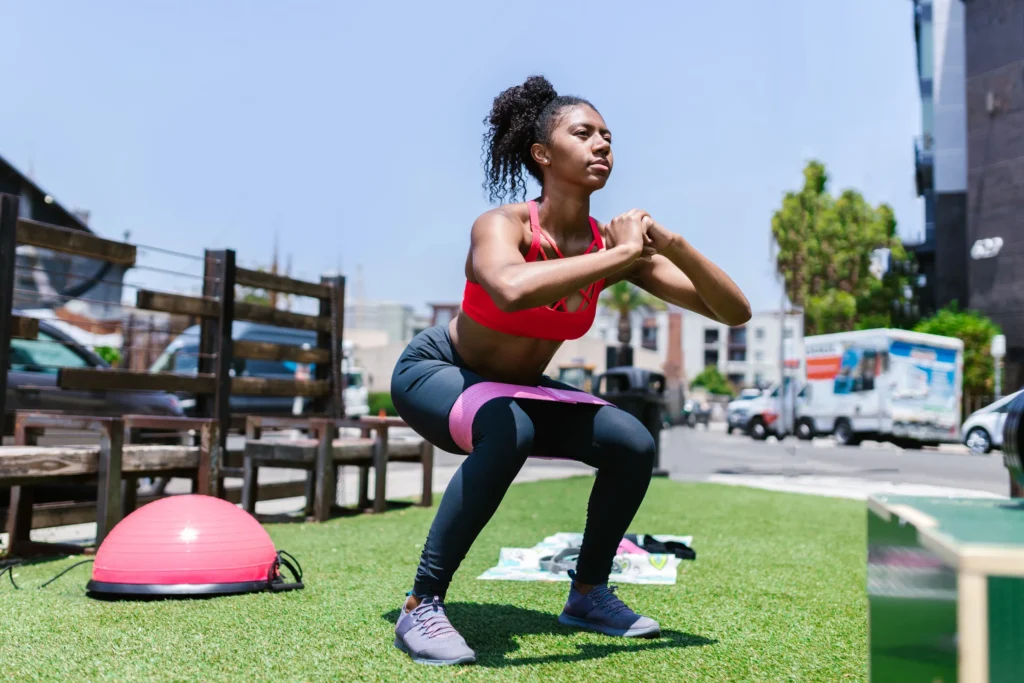
Resistance bands are elastic training tools that create tension as they stretch…
Dumbbells vs Resistance Bands: Key Differences
1. Muscle Building
Dumbbells are often considered the gold standard for muscle growth…
- Consistent resistance
- Easier progressive overload
- Better for heavy lifting
- Excellent for hypertrophy training
Winner: Dumbbells
2. Joint-Friendly Training
Resistance bands generally place less stress on joints and are popular among beginners and older adults.
Winner: Resistance Bands
Comparison Table
| Feature | Dumbbells | Resistance Bands |
|---|---|---|
| Muscle Building | Excellent | Very Good |
| Strength Development | Excellent | Good |
| Portability | Fair | Excellent |
| Cost | Moderate to High | Low |
| Joint-Friendly | Good | Excellent |
| Storage | Requires Space | Minimal Space |
| Beginner Friendly | Excellent | Excellent |
| Travel Friendly | Poor | Excellent |
| Progressive Overload | Excellent | Good |
Who Should Choose Dumbbells?
- Your goal is muscle growth
- You enjoy traditional strength training
- You have dedicated workout space
- You want long-term strength progression
Who Should Choose Resistance Bands?
- You’re new to fitness
- You have a limited budget
- You travel frequently
- You need portable equipment
The Best Solution: Use Both
Many fitness enthusiasts combine dumbbells and resistance bands to maximize workout variety and effectiveness.
- Greater exercise variety
- Better muscle activation
- More training options
- Improved flexibility and mobility work
Final Thoughts
When comparing dumbbells vs resistance bands, there is no single winner for everyone.
Dumbbells excel at building strength and muscle mass, while resistance bands offer affordability, portability, and joint-friendly training. Your choice ultimately depends on your goals, available space, and budget.
For most beginners, resistance bands provide an excellent starting point. As your fitness level increases, adding adjustable dumbbells can create a more complete home gym setup.
The best fitness equipment is the equipment you’ll consistently use. Whether you choose dumbbells, resistance bands, or both, staying active and training regularly will always be the most important factor in achieving results.
Explore the Performance Lab collection at Spaneum to discover premium home fitness equipment designed to help you train smarter, build strength, and reach your fitness goals.
Frequently Asked Questions
Are resistance bands as effective as dumbbells?
Resistance bands can be highly effective for strength training, muscle toning, and mobility exercises. However, dumbbells are generally better for progressive overload and building maximum strength.
Can beginners build muscle using resistance bands?
Yes. Beginners can build muscle and improve strength using resistance bands, especially when following a consistent workout routine and gradually increasing resistance.
Which is better for home workouts: dumbbells or resistance bands?
Both are excellent choices. Resistance bands are more affordable and portable, while dumbbells provide greater strength-building potential and easier progressive overload.
Are resistance bands safer for joints?
Resistance bands often place less stress on joints because they provide smoother resistance throughout the movement, making them popular among beginners and older adults.
Should I use both dumbbells and resistance bands?
Many fitness enthusiasts combine dumbbells and resistance bands to create a more versatile workout routine that supports strength, mobility, and muscle development.