FREE SHIPPING on Order over ₱ 1,500 Secure Checkout | 100% Safe & Trusted

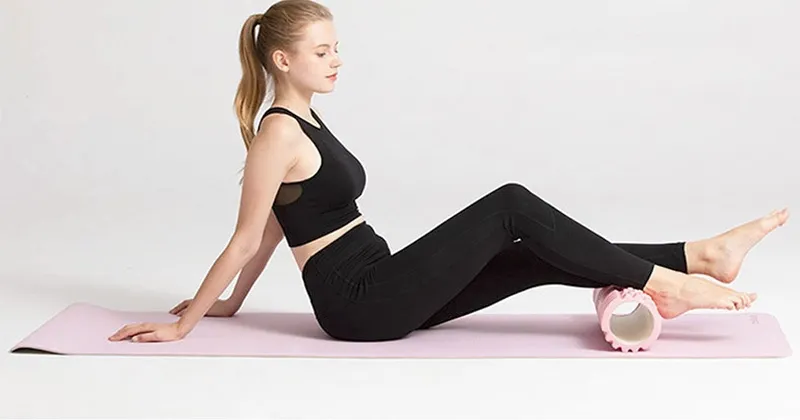
Benefits of Using a Foam Roller After Exercise: Why Recovery Matters

Many people focus heavily on workouts but often overlook one of the most important aspects of fitness: recovery. Whether you’re lifting weights, running, practicing yoga, or following a home workout routine, your muscles experience stress during exercise.
Without proper recovery, muscle tightness, soreness, and reduced mobility can slow your progress and affect future workouts.
One simple and effective recovery tool that has gained popularity among athletes, fitness enthusiasts, and physical therapists is the foam roller.
In this guide, we’ll explore the benefits of using a foam roller after exercise, how it works, and why it deserves a place in your fitness routine.
What Is a Foam Roller?
A foam roller is a cylindrical fitness tool designed for self-myofascial release, a technique that helps relieve muscle tension and improve mobility.
By applying pressure to specific muscle groups, foam rolling can help loosen tight muscles, improve circulation, and support recovery after physical activity.
Foam rollers are commonly used by:
- Athletes
- Weightlifters
- Runners
- Cyclists
- Yoga Practitioners
- Home Fitness Enthusiasts
- Office Workers
Because foam rollers are affordable and easy to use, they have become a staple in many home gyms.
Why Recovery Is Important
Every workout creates small amounts of stress within the muscles.
During recovery, the body repairs and strengthens muscle tissue, helping you become stronger and more resilient over time.
Without proper recovery, you may experience:
- Increased muscle soreness
- Reduced flexibility
- Stiff joints
- Poor workout performance
- Higher injury risk
Recovery is not a sign of weakness—it’s a crucial part of making progress.
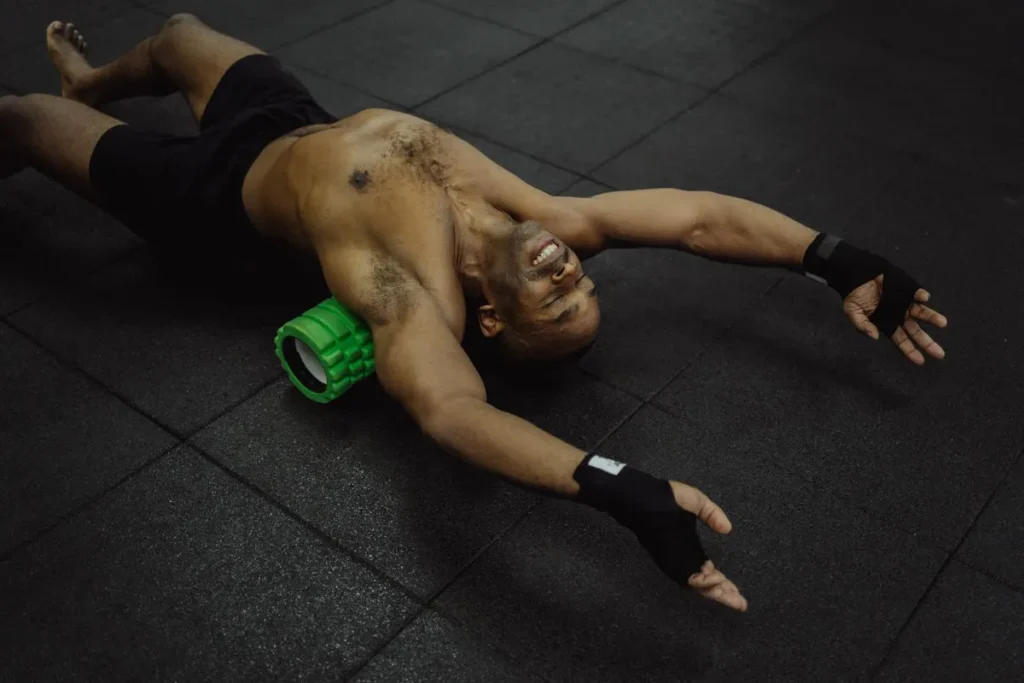
1. Helps Reduce Muscle Tightness
One of the biggest benefits of foam rolling is its ability to help release muscle tension.
After exercise, muscles can become tight and stiff due to repetitive movement and physical exertion.
Foam rolling helps:
- Relax overworked muscles
- Improve tissue quality
- Reduce feelings of stiffness
Many users notice improved movement and comfort after just a few minutes of foam rolling.
2. Supports Faster Recovery
Foam rolling is often used after workouts because it may help support the body’s natural recovery process.
By increasing circulation to muscles, foam rolling can help deliver oxygen and nutrients to tissues that need repair.
Benefits may include:
- Reduced post-workout discomfort
- Better muscle recovery
- Improved readiness for future workouts
While foam rolling isn’t a magic solution, it can become an effective part of a well-rounded recovery routine.
3. Improves Flexibility
Flexibility plays an important role in overall fitness and movement quality.
Tight muscles can limit your range of motion and make exercises more difficult.
Regular foam rolling may help:
- Improve flexibility
- Increase range of motion
- Support better movement patterns
Improved flexibility can benefit both beginners and experienced athletes.
4. Enhances Mobility
Mobility refers to your ability to move joints through their full range of motion.
Poor mobility can affect:
- Squats
- Lunges
- Running
- Daily activities
Foam rolling can help prepare muscles and connective tissues for movement, making it easier to perform exercises with proper technique.
Better mobility often leads to better workout performance.
5. Helps Relieve Muscle Soreness
Delayed Onset Muscle Soreness (DOMS) is common after challenging workouts.
Symptoms may include:
- Muscle tenderness
- Stiffness
- Temporary discomfort
Many athletes use foam rollers to help manage soreness and maintain movement after intense training sessions.
While soreness is a normal part of exercise, foam rolling may help make recovery more comfortable.
6. Improves Blood Circulation
Applying controlled pressure to muscles can help stimulate circulation.
Healthy blood flow supports:
- Oxygen delivery
- Nutrient transport
- Recovery processes
Improved circulation may also help muscles feel more relaxed after exercise.
7. Supports Better Workout Performance
Recovery tools don’t just help after exercise—they can also improve future workouts.
When muscles are less tight and movement quality improves, you may notice:
- Better exercise technique
- Improved flexibility
- Greater workout comfort
- More efficient movement patterns
Over time, these small improvements can contribute to better overall fitness performance.
Best Areas to Foam Roll
Quadriceps
Located at the front of the thighs.
Helpful after:
- Squats
- Running
- Cycling
Hamstrings
Located at the back of the thighs.
Helpful after:
- Leg workouts
- Sprinting
- Sports activities
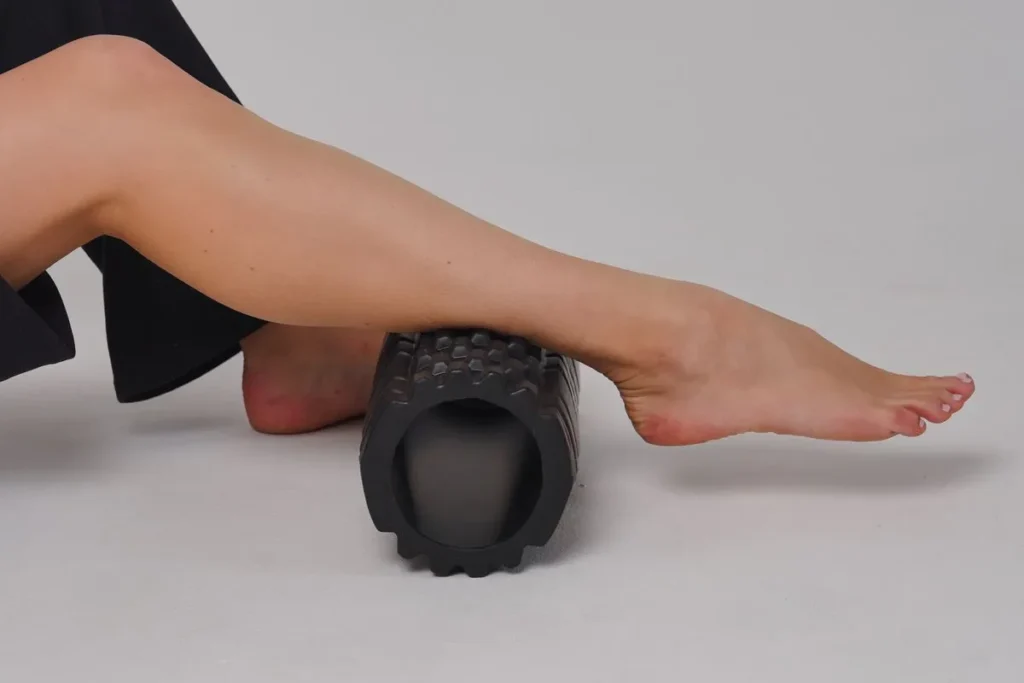
Calves
Often become tight from walking, running, and jumping.
Glutes
Important for posture, movement, and lower-body strength.
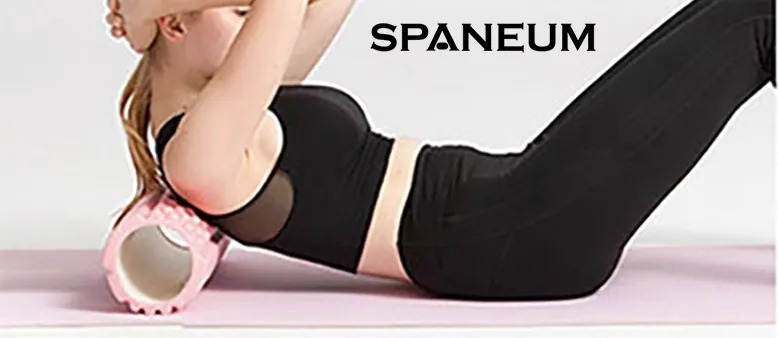
Upper Back
Can help reduce tightness caused by desk work and poor posture.
Lats
Helpful for individuals performing strength training and upper-body workouts.
How to Use a Foam Roller Safely
For beginners:
Move Slowly
Roll slowly over muscle groups rather than moving too quickly.
Avoid Joints
Focus on muscles rather than directly rolling over joints.
Breathe Normally
Avoid holding your breath while rolling.
Start with Short Sessions
5–10 minutes is often enough for beginners.
Listen to Your Body
Mild discomfort is normal, but sharp pain is not.
Sample Post-Workout Foam Rolling Routine
Legs
- Quadriceps – 30 seconds
- Hamstrings – 30 seconds
- Calves – 30 seconds
Glutes
- 30 seconds each side
Upper Back
- 60 seconds
Lats
- 30 seconds each side
Total Time:
Approximately 5–10 minutes
This simple routine can easily fit into most fitness schedules.
Foam Roller vs Stretching
Many people wonder whether they should foam roll or stretch.
The answer is simple:
Both can be beneficial.
Foam Rolling
- Targets muscle tension
- Improves tissue quality
- Supports recovery
Stretching
- Improves flexibility
- Enhances range of motion
- Supports mobility
Combining both methods often produces the best results.
Final Thoughts
A foam roller is one of the simplest and most effective recovery tools available for fitness enthusiasts of all levels. Whether you’re training at home, lifting weights, running, or practicing yoga, foam rolling can help reduce muscle tightness, improve mobility, support recovery, and enhance overall workout performance.
Recovery should be viewed as an essential part of any fitness program—not an afterthought.
Adding just a few minutes of foam rolling after exercise can help you move better, feel better, and stay consistent with your fitness goals.
Explore the Performance Lab collection at Spaneum to discover foam rollers and recovery equipment designed to support your active lifestyle.
Upgrade Your Everyday Performance.